Understanding The Basics Of Cordless Power Tools
Ever stood in the yard, wrestling with a tangled cord and thought, “There has to be a better way”? That’s exactly where cordless power tools shine. Let me walk you through what actually makes these battery-powered workhorses tick, and how to read the specs without needing an engineer on speed dial.
Core Components: Motor, Battery, Ergonomics
At the heart of every cordless tool you’ll find three big pieces that decide how it feels and performs in your hands:
- Brushless vs. Brushed Motors (Where The Power Comes From)
- Brushed motors:
- Older, simpler technology.
- Cheaper upfront, great for occasional DIY and light garden work.
- Have brushes that wear out over time, so they can spark, run hotter, and lose efficiency.
- Brushless motors:
- Newer, smarter design with no brushes to wear out.
- More power and torque from the same battery.
- Run cooler and quieter, with longer life and better runtime.
- Ideal for heavy-duty cutting, drilling, and all-day garden projects.
If you’re serious about performance and longevity, a brushless cordless motor is usually worth the extra money. For casual weekend use, brushed tools can still be a solid, affordable choice.
- Lithium-Ion Tool Batteries (The Fuel Tank)
Today, lithium-ion batteries dominate cordless power tools for a reason: they’re light, powerful, and hold charge well.
- Common voltage tiers:
- 12V: Compact, lightweight, perfect for light-duty tasks, hanging planters, small repairs.
- 18V / 20V max: The sweet spot for most homeowners and gardeners. Great for drills, impact drivers, saws, and trimmers.
- 36V – 60V+: High-voltage muscle for heavy cuts, big hedge trimmers, chain saws, and demanding landscaping work.
Higher voltage generally means:
- More power for tough materials and bigger blades.
- Slightly heavier tools and batteries.
- Higher price—but serious performance for heavy cuts and thick branches.
- Ergonomics: Designed For Longer Garden Sessions
If a cordless tool feels awkward, you won’t use it—simple as that. Good ergonomics matter more than most spec sheets admit.
Look for:
- Comfortable, non-slip handles that fit your hand.
- Balanced weight so the tool doesn’t drag your wrist down.
- Intuitive trigger and switch placement you can reach with gloves on.
- Low vibration and smooth startup to reduce fatigue when trimming, cutting, or drilling for long stretches.
When I design or choose tools, I always test how they feel after 10–15 minutes of real use, not just a quick squeeze in the store.
Key Performance Metrics: What The Numbers Really Mean
Power tool marketing loves big numbers. Here’s how to decode the important ones and actually match them to your yard and DIY projects.
- Torque (Twisting Power)
- Torque is the turning force of the tool—crucial for drilling and fastening.
- Higher torque = better for dense wood, long screws, lag bolts, and stubborn fasteners.
- For garden and DIY work:
- Light-duty (small screws, soft wood, plastics): modest torque is fine.
- Heavy-duty (decking, fencing, raised beds in hardwoods): look for higher torque and multiple clutch settings.
- Speed (RPM – Revolutions Per Minute)
- RPM tells you how fast the chuck or blade spins.
- High RPM:
- Better for clean drilling in wood and metal.
- Great for fast cuts when combined with the right blade.
- Lower RPM:
- More control and power for heavy loads (like large drill bits or thick branches).
Most good cordless drills offer variable speed and 2-speed gearboxes:
- Low gear: low RPM, high torque for driving screws.
- High gear: high RPM, lighter torque for drilling clean holes.
- Battery Life (Ah – Ampere Hours)
Think of Ah as the size of the fuel tank on your cordless tool batteries.
- 2.0Ah – 3.0Ah:
- Lighter and compact.
- Great for short, quick jobs and overhead work.
- 4.0Ah – 5.0Ah:
- Solid “everyday” capacity for most home and garden use.
- Good balance between weight and runtime.
- 6.0Ah+:
- Long runtime for full-afternoon projects.
- Heavier, but ideal for tools like saws, blowers, and trimmers.
In simple terms: higher Ah = longer runtime on a single charge, assuming the same voltage and tool.
- Charging Time
Charging time affects how smoothly you can work through a project.
- Standard chargers:
- Often take 60–120 minutes to fill a mid-size battery.
- Fine for casual users who don’t mind a break.
- Fast chargers:
- Can charge 2.0Ah–5.0Ah packs in 30–60 minutes.
- Perfect for back-to-back jobs or professional-style use.
Pro tip: For regular garden work, I recommend at least two batteries: one in the tool, one on the charger. That way, your cordless tools almost never have “downtime.”
Cordless vs. Corded Power Tools: Real-World Garden Pros And Cons
People often ask, “Should I go cordless or stick with corded tools?” Here’s the straight answer from a garden and DIY perspective.
Where cordless wins:
- Mobility:
- No extension cords dragging behind you.
- Freedom to work at the far end of the yard, on fences, or up a ladder.
- Safety:
- No cords to trip over on uneven ground or wet grass.
- No risk of cutting through your own cable with a saw or trimmer.
- Convenience:
- Grab-and-go. Great for quick fixes and weekend projects.
- Easier to carry between house, garage, and garden.
Where corded still has advantages:
- Raw, continuous power:
- Great for very heavy-duty sites and non-stop construction.
- No battery swaps or charging breaks.
- Cost:
- Often cheaper for the same power level if you don’t need mobility.
- Weight:
- No batteries means sometimes a bit lighter, especially for stationary tasks.
For most gardeners and DIY homeowners, cordless power tools win easily. The combination of safety, convenience, and enough power covers 90% of real-world jobs. Corded tools still make sense for workshop-based, all-day, high-demand use—but I rarely need them in the yard.
Garden-Specific Basics: Cordless Tools Outdoors
Using tools in the garden is not the same as working in a clean, flat workshop. You’ve got wet grass, uneven soil, mud, leaves, and obstacles everywhere. Here’s how cordless tools handle it better.
- Handling Wet, Uneven Terrain
- No cord drag:
- You don’t have a cable snagging on shrubs, rocks, or raised beds.
- Less chance of the tool being jerked out of your hands.
- More freedom:
- Climb steps, move around beds, and work along fence lines without planning your cord route.
- Ideal for pruning, trimming, drilling post holes, or cutting lumber for outdoor projects.
- Reduced Cord-Related Safety Risks
- No tripping hazard:
- Wet, slippery conditions plus long cords are a bad combo.
- Cordless tools remove that risk entirely.
- No electric shock from damaged cords:
- In a wet garden, cutting or nicking a live cord is dangerous.
- Battery-powered tools isolate the power right on the tool, with safer low-voltage systems.
- Weather-Resistant Design (Within Reason)
Most modern cordless power tools and outdoor cordless tools are built with outdoor use in mind:
- Sealed switches and housings to handle dust and light moisture.
- Protective vents that keep air moving but block debris as much as possible.
- Rubberized grips that stay usable when your hands are a bit sweaty or damp.
Still, basic care matters:
- Avoid leaving tools out in the rain or direct hose spray.
- Wipe them down after working in wet conditions.
- Let batteries dry fully if they get splashed before putting them on the charger.
When I build and choose cordless lineups for global users, I focus on tools that can survive real garden abuse: damp mornings, dusty paths, and uneven ground. A well-designed cordless platform should feel right at home outdoors, not just in a shiny showroom.
In short, cordless power tools are built around three pillars—smart motors, strong lithium-ion batteries, and user-friendly ergonomics. Understand those, plus torque, RPM, Ah, and charging time, and you’ll be able to pick tools that actually match how and where you work, especially in the garden.
Top Types of Cordless Power Tools for Everyday and Garden Mastery
Cordless drills and drivers
For most homeowners, a cordless drill/driver is the first tool I recommend. It handles everything from putting up shelves to building raised beds.
- Use battery-powered drills for drilling into timber, masonry, and soil-retaining walls.
- Switch to the driver mode for fastening trellises, fence clips, and hardware.
- Compact cordless tools help in tight spots like under decks or inside cabinets.
- Look for ergonomic cordless handles, good LED lighting, and at least 1.5–2.0 Ah lithium-ion tool batteries.
- Pair your drill with a quality screwdriver bit set so you’re not stripping screws on day one.
If you want one of the best cordless power tools for all-round DIY home improvement, start with a solid 18V cordless drill/driver.
Impact drivers and cordless wrenches
When a normal drill can’t shift a screw, a cordless impact driver steps in. It’s built for heavy-duty fastening tools and stubborn fixings.
- High impact driver torque drives long screws and coach bolts into decks, pergolas, and garden structures.
- Cordless impact wrenches handle nuts and bolts on gates, trailers, and even basic automotive work.
- Variable speed and clutch-style settings help you avoid over-tightening and snapping fasteners.
- Choose compact, brushless cordless motors if you want more power, less heat, and longer runtime.
For people building fences or decks often, a best cordless impact driver quickly becomes a must-have.
Cordless saws for garden and DIY work
Cordless saw kits give you cutting power anywhere in the yard without dragging a cord.
- A cordless circular saw is ideal for cutting lumber for raised beds, sheds, and framing.
- A reciprocating saw (recip saw) is great for rough pruning, cutting posts, and demolition.
- A jigsaw handles curves and detailed cuts for custom planters and precision woodworking drivers.
- Prioritize light weight, good balance, and clear blade visibility to reduce fatigue.
If you’re serious about cordless tools for home improvement, a circular saw plus a recip saw covers most outdoor cuts.
Multi-tools and cordless grinders
These are the problem-solvers in any cordless power tool set.
- Oscillating multi-tools trim door bottoms, clean up lawn edges near hardscapes, and sand awkward corners.
- Cordless grinders cut and clean metal garden stakes, brackets, and hardware with the right cordless grinder attachments.
- They also help with quick rust removal and sharpening simple garden tools in a pinch.
For Global customers working in smaller spaces or balconies, these compact cordless tools pack a lot of value per dollar.
Outdoor cordless tools: blowers, trimmers, hedgers
To extend your cordless ecosystem outside the workshop, outdoor weatherproof tools are essential.
- Cordless leaf blowers keep paths, decks, and patios clear with no fuel mixing or cords.
- String trimmers tidy lawn edges, fence lines, and around beds where mowers can’t reach.
- Hedge trimmers shape shrubs and hedges quickly, often sharing the same lithium-ion cordless tools batteries as your drill.
- Many brands now offer affordable power tool sets that bundle garden pruning saws, blowers, and trimmers in one platform.
Once you lock into one reliable cordless tool brand and voltage, you can build out a full yard and DIY setup with compatible, high-performance cordless tools that all run on the same packs.
Choosing Cordless Power Tools Brands & Ecosystems
When I build a cordless power tools setup, I treat it like choosing a phone ecosystem: the brand, batteries, and chargers all need to work together for years. The right call saves money, time, and a lot of frustration.
Top cordless tool brands at a glance
Here’s how the big cordless tool brands generally stack up for DIY home improvement tools and garden projects:
- DeWalt – Strong all‑rounder; great cordless drill power, jobsite toughness, wide 18V/20V line. Ideal if you bounce between home renovation, decking, and outdoor work.
- Milwaukee – Known for high-performance cordless tools and heavy-duty fastening tools. Their impact driver torque and cordless tools for construction are excellent but often at a higher price.
- Makita – Balanced performance and weight; lots of compact cordless tools and outdoor weatherproof tools, good for users who value ergonomics and low vibration.
- Bosch – Reliable, precise, and often lighter; strong for woodworkers and DIYers who want durable cordless drills without going too heavy.
- Micter – My own garden-focused lineup, built as Precision Tools for Smart Gardeners. The focus is on cordless power tools for woodworkers in the yard, garden pruning saws, and ergonomic cordless handles that stay comfortable in longer sessions.
Each brand has its sweet spot. If you mostly build decks and fences, lean toward higher-voltage, high-torque setups. If you’re a global customer balancing apartment DIY with balcony or small-yard gardening, a mid-range 18V system with lightweight tools often hits the best value.
Why the cordless ecosystem matters
Committing to one cordless tool ecosystem is one of the smartest money moves you can make:
- One battery platform – Your battery-powered drills, impact drivers, cordless circular saw, and outdoor tools all share the same packs.
- Fewer chargers – You don’t need five different chargers on your bench; a good Li‑ion battery charger can support your main ecosystem.
- Lower long-term cost – Bare tools (no battery) are usually much cheaper, so you grow your cordless power tool sets without rebuying batteries every time.
- Simpler travel and storage – One set of batteries and a compact charger works whether you’re in a small city apartment, a rural property, or moving between job sites.
For most global homeowners, an 18V/20V ecosystem with 2–4 batteries covers 90% of DIY and garden needs. If you cut thick timbers or do lots of heavy-duty cordless tools work, add a high-voltage saw or grinder within the same brand.
Compatibility tips to avoid wasting money
Mixing cordless tools and batteries can be smart, but only if you stay within some simple rules:
- Stay within the same voltage family – Don’t try to run 36V tools on 18V packs or vice versa unless the brand explicitly supports it.
- Check series names carefully – Many brands run multiple lines (for example, 12V compact vs 18V full-size). Batteries and tools often don’t cross over between these.
- Look at Ah (amp-hour) for runtime – A compact 2.0Ah pack keeps tools light; a higher-capacity 4000mAh lithium battery is better when you’re drilling dozens of fence posts or cutting lumber all afternoon.
- Avoid “orphan” tools – If a cordless tool uses a unique battery that no other tool shares, skip it. You’ll pay more and carry extra chargers.
My rule: pick one main cordless tool brand as your base, then only add a second brand if it solves a very specific problem (for example, a specialty garden pruning saw) and you’re okay managing a separate battery.
Niche cordless power tools for smart gardeners (Micter spotlight)
Most big brands design first for construction. With Micter, I build battery-powered power tools that start from the garden:
- Precision garden pruning saws designed for clean cuts on fruit trees and shrubs.
- Ergonomic cordless handles tuned for one-handed use and long trimming sessions.
- Weather-aware design that stands up better to damp, dusty garden conditions than generic workshop tools.
If your main projects are raised beds, fences, trellises, pruning, and light woodworking outdoors, a focused garden brand like Micter gives you tools that feel made for how you actually work, not just adapted from construction sites.
Best cordless starter kits under $200
If you’re building your first cordless power tool kits on a budget, I’d start with:
- 2‑tool combo – Cordless drill/driver + impact driver, two batteries (2.0–4.0Ah), and a fast charger. Great all‑round base for home repairs and garden builds.
- 3–4 tool portable power tool combos – Add a compact cordless circular saw or reciprocating saw plus a work light. Ideal for cutting lumber for raised beds, small decks, and general DIY home improvement tools.
- Garden-focused starter – Drill/driver, pruning saw, and blower or string trimmer, plus at least two Micter lithium-ion tool batteries (a mix of 2000mAh for light jobs and 4000mAh for longer runtime).
As long as you lock in one strong ecosystem, even an affordable cordless tools starter set under $200 can grow into a powerful cordless arsenal that covers home, garden, and light construction without needing to start over.
Buying Guide: Smart Factors Before You Buy Cordless Power Tools
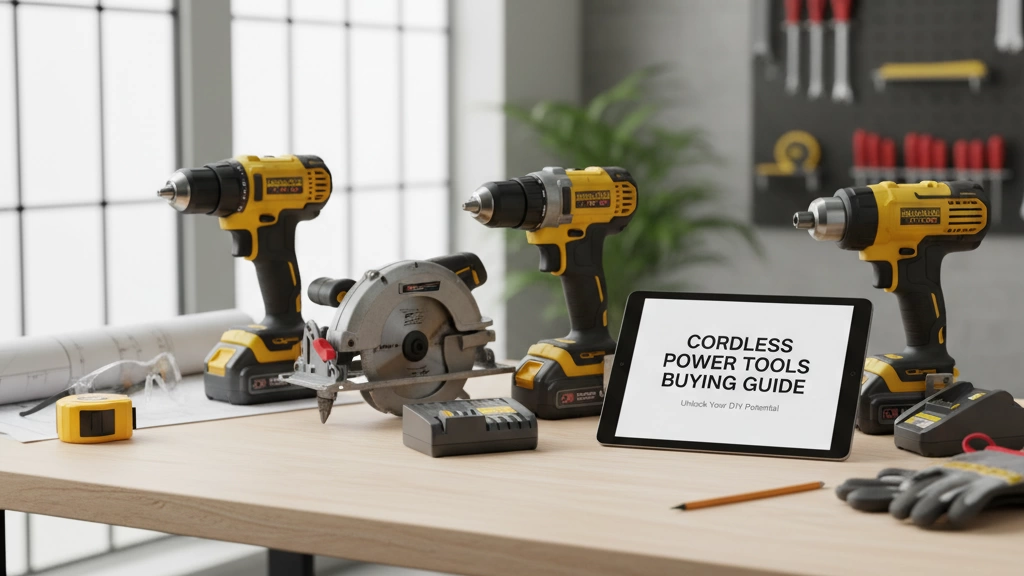
Budget breakdown: Entry-level vs pro-grade cordless power tools
Start with how often and how hard you use your tools:
- Light use (small DIY, balcony garden, occasional repairs):
- Look at affordable cordless power tools and compact 12V–18V kits.
- Prioritize comfort, simple controls, and at least one extra battery.
- A budget cordless drill/driver and a small cordless saw are usually enough.
- Regular use (weekend projects, bigger gardens, fencing, decking):
- Step up to mid-range lithium-ion cordless tools with brushless motors where possible.
- Look for higher battery capacity (4.0Ah+), better torque, and solid reviews.
- Combo sets often give you the best value on drills, impact drivers, and saws.
- Heavy use (construction, big homestead, frequent outdoor work):
- Invest in pro-grade cordless power tools with strong warranties.
- Choose higher voltage systems (18V/20V or 36V/40V, sometimes 60V+) and robust chargers.
- Focus on high-performance cordless tools that can run all day with rotation of batteries.
Simple rule:
- If you use a tool once a month, don’t overspend.
- If you rely on it every week, buy once, cry once—pro-grade pays off in the long term.
Durability and warranty: Built for outdoor and garden work
Cordless tools for garden and outdoor DIY need extra toughness:
- Weather resistance:
- Look for sealed switches and protected vents to keep out dust, soil, and light moisture.
- Rubber overmolds on handles help when your hands are wet or muddy.
- Impact protection:
- A strong housing with rubber bumpers is key if tools might fall on concrete or pavers.
- Metal gear housings in drills, impact drivers, and heavy-duty fastening tools stay more stable under load.
- Warranty and support:
- Aim for at least 2–3 years on tools and 1–3 years on batteries.
- Check what’s actually covered—motor failures, electronics, batteries, and chargers.
- Make sure service centers or easy mail-in repair options exist in your region.
If you’re using cordless saws, mini chainsaws, or pruning tools, safety and durability are huge. For example, if you’re curious about how safe compact chainsaw-style tools really are, it’s worth checking a detailed guide on how safe mini chainsaws are in real-world garden use: https://www.micterbrand.com/how-safe-are-mini-chainsaws/
Battery management: Size, Ah ratings, and smart charging
Battery choice makes or breaks your cordless setup:
- Voltage vs capacity:
- Voltage (12V, 18V/20V, 36V, 60V+) = potential power.
- Ah (amp-hours) = runtime.
- Example: 18V 2.0Ah vs 18V 5.0Ah — same power, but the 5.0Ah usually runs over twice as long.
- How many batteries do you need?
- Casual user: 1–2 batteries are fine.
- Regular DIY and gardening: 2–3 batteries so one is always charging while you work.
- Big seasonal projects (fencing, decks, mass pruning): 3+ batteries in rotation.
- Charging habits:
- Use the charger that matches your battery system—fast chargers save time but can heat batteries more.
- Avoid leaving packs baking in the sun (in a truck, shed window, or greenhouse).
- Let hot batteries cool before charging to extend battery life.
Storage tips:
- Store lithium-ion tool batteries around half charge if you won’t use them for months.
- Keep them in a dry, cool place—no damp garages or direct heat.
- Don’t fully drain them on purpose; deep discharge shortens life.
Where to shop: Online vs in-store cordless tool buying
Both options can work well—use them differently:
- Buying cordless power tools online:
- Pros:
- Better price comparisons, frequent deals, and bundle offers.
- More choice in cordless power tool sets, battery bundles, and niche garden tools.
- Easy access to real cordless power tool reviews from other DIY homeowners and gardeners.
- Cons:
- You can’t feel the weight, grip, and balance before you buy.
- Returns and warranty claims depend on seller reliability.
- Pros:
- Buying cordless tools in-store:
- Pros:
- You can test the ergonomics, check tool balance, and see build quality in your hand.
- Staff can help match tools to your projects and existing batteries.
- Easier same-day returns if something is wrong.
- Cons:
- Higher prices sometimes, fewer promos than online.
- Limited selection in smaller local stores.
- Pros:
Best approach:
- Research models and cordless tool brands online, read user feedback.
- If possible, handle the short-listed tools in-store, especially for heavier tools like cordless circular saws or blowers.
- Then buy wherever you get the best mix of price, warranty, and trust.
Cordless FAQ for gardeners and DIY homeowners
Here are clear, quick answers to the most common cordless questions:
- How long do cordless batteries last per charge?
- Light tools (drills, drivers): often 30–90 minutes of active use on a 2.0–4.0Ah battery.
- Heavier tools (saws, blowers, string trimmers): 15–40 minutes on the same pack.
- Actual time depends on how hard you push the tool—drilling softwood burns less power than driving big screws into hardwood.
- How many years will my cordless batteries last?
- With normal use and good care: around 3–5 years is common.
- Heavy daily use or poor storage (too hot, fully drained often) can shorten that.
- When you notice sudden runtime drops or the tool cutting out under load, it’s usually time to replace the pack.
- Are 18V cordless tools enough for fencing and raised beds?
- Yes, in most cases 18V (often marketed as 18V or 20V max) is ideal:
- Great for drilling post holes in pre-dug ground, driving screws into fence rails, and building raised beds.
- For bigger structural posts or thick hardwood, pair an 18V drill with a high-torque impact driver.
- Go up to 36V/40V or 60V+ only if you’re doing very heavy cutting, big timbers, or running large outdoor tools all the time.
- What’s the difference between brushed and brushless cordless motors?
- Brushed:
- Cheaper, fine for light DIY.
- Slightly less efficient and can wear out faster.
- Brushless:
- More power, better runtime, less heat, and longer life.
- Worth it for impact drivers, cordless circular saws, and heavy-duty cordless drills.
- Do I really need backup batteries?
- If you only drill a few holes once in a while—maybe not.
- If you’re building a deck, putting up a fence, or spending a full Saturday in the garden, absolutely:
- At least one spare for drills and drivers.
- Two or more spares for power-hungry tools like blowers, saws, and garden pruning saws.
If you plan on using impact wrenches or high-torque fastening tools for larger projects, it also helps to understand how much torque these tools deliver in real life. A good breakdown like this explanation of impact wrench torque from Micter can help you match torque to your actual jobs: https://www.micterbrand.com/how-much-torque-does-an-impact-wrench-have-micter/
Make your cordless power tools work for you, not the other way around: choose the right level, protect your batteries, and build an ecosystem that fits your garden and home projects.
Real-World Reviews and Performance Tests for Cordless Power Tools
Hands-on garden tests with cordless tools
When I test cordless power tools, I focus on real garden and DIY jobs, not lab numbers. Here’s what actually matters when you’re out in the yard:
-
Drilling fence posts:
- A good 18–20V cordless drill with a 2.0–4.0Ah lithium-ion battery should comfortably drill 30–50 pilot holes in treated posts before the battery gets low.
- In medium soil-retaining walls and timber posts, I look for:
- Consistent torque (no sudden stall)
- Low vibration through the handle
- Minimal wrist strain over a full row of posts
-
Cutting lumber for raised beds and decks:
- With a mid-range cordless circular saw and a 4.0Ah battery, I expect:
- 25–40 clean crosscuts in 2×4 or 2×6 lumber on a single charge
- Stable power on thicker boards without burning the wood
- A light enough body to control with one hand while supporting the board with the other
- With a mid-range cordless circular saw and a 4.0Ah battery, I expect:
-
Pruning and shaping:
- Compact cordless pruning saws and reciprocating saws should:
- Cut dozens of 2–4 cm branches per charge
- Stay cool enough not to trigger thermal shutdowns
- Give smooth cuts that don’t tear bark or bruise the plant
- Compact cordless pruning saws and reciprocating saws should:
For each cordless tool, I always note:
- Runtime in minutes and in “number of tasks” (cuts, holes, branches)
- How fast the battery recharges
- Whether the tool feels safe and balanced when you’re tired or working on uneven garden ground
If a tool can’t complete a typical half-day garden job on one or two batteries, it doesn’t make my list.
User feedback from DIY and gardening communities
I also pay close attention to what real users say in forums, local groups, and product reviews. A few patterns come up again and again:
-
Vibration control:
- Gardeners with longer sessions value low vibration more than raw power.
- Frequent feedback: “I can prune or drill for an hour without my hands going numb.”
-
Tool balance and weight:
- People want cordless drills and saws that feel stable with the battery attached.
- Common praise: “The balance is spot on; I can work above shoulder height without fighting the tool.”
-
Ease of use:
- Quick bit changes, clear speed settings, and bright work lights are big wins.
- Real comments often sound like: “Did my whole raised bed project without picking up a hand saw,” or “Swapped from drill bit to driver bit in seconds and finished the trellis faster than expected.”
This real-world user feedback is often more honest than spec sheets—if a cordless tool feels heavy, awkward, or underpowered, gardeners will say it.
Micter cordless case study: smart pruning performance
As a brand focused on precision tools for smart gardeners, Micter is built around real yard tasks, not just workshop tests. Our cordless garden tools are designed to be:
- Lightweight but solid, so they feel stable even when reaching into shrubs
- Strong enough to cut green and dry branches, but controlled enough for detailed shaping
- Efficient on batteries to get through full pruning sessions without constant charging
In our own field tests with Micter cordless pruning tools, we look at:
- Branch capacity: How cleanly the tool cuts branches in the 2–6 cm range
- Runtime: How many cuts per battery on typical hedges, fruit trees, and ornamental shrubs
- Comfort: Grip shape, trigger feel, and how your hand feels after 30–40 minutes of continuous use
We follow the same approach with our cordless drills. For example, the compact but powerful Micter 20V drill is tuned for garden builds like small decks, planter frames, and fence repairs. It pairs a practical 20V system with a comfortable handle and simple controls, giving you a balance of power and runtime that feels right for home and garden use. You can see how we optimize that balance in the product details for the Micter 20V cordless drill CD01 on our site: Micter 20V Drill CD01.
We also test real-world durability: dust, light rain, and accidental drops on patio stones. If it can’t survive a typical backyard weekend, we don’t ship it.
Brand comparison: drills and drivers that actually work in the garden
When I compare leading cordless tool brands for garden and DIY work, I don’t just look at brochure specs. I score drills and drivers across a few key points:
-
Power:
- Enough torque to drive long screws into deck boards and fencing without stripping heads.
- Smooth power delivery so you can switch from softwood planters to tougher lumber without constantly fighting the clutch.
-
Weight and balance:
- Light enough for overhead work on pergolas and trellises.
- A good center of gravity with the battery installed so the tool doesn’t twist your wrist.
-
Runtime:
- A practical minimum: one battery should be able to handle a typical small project (e.g., one raised bed, a short run of fence panels, or a set of garden shelves).
- Fast recharge to keep the job going if you only own one or two batteries.
-
Garden utility:
- Variable speed and sensitive trigger control for more delicate tasks like assembling wooden planters or fastening hardware near plants.
- Compact size to work in tight corners, under steps, or behind existing structures.
Major international brands like DeWalt, Milwaukee, Makita, and Bosch offer excellent high-performance cordless drills and drivers, especially for heavy construction work. Where I position Micter differently is in smart garden use: we tune our cordless tools more toward comfort, accuracy, and real-life garden projects, while still delivering the power most homeowners and gardeners actually need.
In short, the best cordless power tools for your garden are the ones that:
- Finish a realistic job on a charge
- Feel good in your hand after an hour outside
- Deliver clean, controlled power instead of just big numbers on a box
That’s the standard I use when I design, test, and recommend cordless tools for DIY and outdoor work.
Maintenance and Longevity for Cordless Power Tools
Looking after cordless power tools is simple, and it directly decides how long they last and how strong they feel on the job. Here’s how I keep my cordless power tools and batteries running hard, season after season.
Daily Care Routines for Cordless Power Tools
A 30‑second clean-up after each use is usually enough.
Quick routine after every job:
- Brush off debris
- Knock off soil, grass, and sawdust with a soft brush or dry cloth
- Keep moving parts and switches clear so they don’t jam
- Check cooling vents
- Make sure vents aren’t clogged with dust or mud
- Blocked vents = overheating and shorter motor life
- Inspect bits and blades
- Replace dull drill bits, saw blades, and grinder discs
- Sharp cutting edges reduce strain on the motor and battery
- Tighten and check
- Check chucks, collets, and guards are firm
- Look for cracks in housings or loose screws
- Store dry and off the ground
- Keep tools in a case, rack, or bag, away from standing water
- Avoid leaving them in damp sheds directly on the floor
For cordless pruning saws and mini chainsaws, regular sharpening and cleaning are key. I follow a similar routine to what’s shown in this guide on how to sharpen a mini chainsaw to keep cuts fast and clean.
Battery Care Best Practices (Lithium‑ion Tool Batteries)
Lithium‑ion batteries are tough, but they hate heat, deep discharge, and being forgotten in a dead state.
Battery care cheat sheet:
| Goal | What I Do |
|---|---|
| Longer runtime | Use the right Ah (amp‑hour) size for the job, not the smallest pack |
| Avoid overheating | Let hot packs cool before charging; don’t charge in direct sun |
| Protect from cold | Store above 0°C / 32°F; warm to room temp before use in winter |
| Avoid deep discharge | Swap batteries when they hit 15–20% rather than running them to 0% |
| Smarter storage | Store at ~40–60% charge if not used for weeks |
| Clean connections | Wipe battery contacts with a dry cloth; keep free from mud and corrosion |
Do:
- Charge on a flat, ventilated surface
- Rotate between 2–3 packs for heavy garden projects
- Label batteries by purchase date so older ones go on lighter tasks
Don’t:
- Leave packs permanently on the charger
- Store batteries in a hot car, greenhouse, or next to heaters
- Wash batteries with water or solvents
Troubleshooting Common Cordless Tool Issues
Most cordless power tool problems are simple to diagnose.
1. Tool overheating
- Check: Vents blocked with dust or grass? Tool pushed too hard?
- Fix:
- Stop and let the tool cool down
- Clean vents and casing
- Use a sharper bit/blade or a more powerful tool for heavy cuts
2. Sudden runtime drop
- Check: Old battery? Extreme heat or cold?
- Fix:
- Test with another battery pack
- Fully charge and run a few cycles to “wake up” older packs
- If one pack always dies early, it’s nearing end of life
3. Loss of power or stuttering
- Check: Loose battery connection? Worn brushes (on brushed motors)?
- Fix:
- Reseat the battery until it clicks firmly
- Clean battery contacts
- On some models, brush replacement or motor service may be possible
4. When repair isn’t worth it
It’s usually time to replace when:
- The tool smells burnt or shows melted plastic
- Replacement parts cost more than half the price of a new tool
- Batteries are obsolete or no longer made for that platform
For cutting tools like cordless pruning saws, if the motor is fine but cutting is slow, I service and clean them as shown in guides similar to how to service a mini chainsaw before I even think about replacing.
Sustainable Cordless Ownership
Cordless power tools are great for clean, quiet garden work; we just need to handle the waste side properly.
Eco‑friendly habits:
- Recycle batteries properly
- Use official tool brand take‑back schemes or local e‑waste centers
- Never throw lithium‑ion packs in normal trash
- Recycle or donate old tools
- Working tools: donate to community workshops or schools
- Dead tools: drop off at e‑waste points where motors and metals are recovered
- Use energy wisely
- Charge during off‑peak hours where possible
- Use the smallest tool that still does the job (less weight, less energy)
- Maintain instead of replace
- Regular cleaning, sharpening, and proper storage easily add years to a cordless tool’s life
If you keep your cordless power tools clean, cool, and charged smartly, they’ll easily handle home improvement and garden work for many seasons without slowing down.