Electric Chainsaw vs. Gas vs. Corded – Which One Is Right for You?
Choosing the right chainsaw can be tricky with so many options out there: electric chainsaws, gas-powered models, and corded electric chainsaws all have their pros and cons. Let’s break down the main differences in power source, performance, weight, noise, maintenance, and running costs to help you find what fits your needs best.
Power Source Breakdown
-
Corded Electric Chainsaws: These plug into a power outlet, giving you unlimited runtime without worrying about battery life or fuel. Great for light to medium jobs around the home or garden where an extension cord is practical.
-
Battery-Powered (Cordless) Chainsaws: Portable and convenient, cordless chainsaws run on rechargeable batteries, typically 40V to 60V or higher. They offer good mobility with decent cutting power for small to medium tasks, and some professional models rival gas-powered chainsaws.
-
Gas Chainsaws: These run on a mix of gasoline and oil, offering the highest power and runtime. Ideal for heavy-duty jobs like felling large trees or professional forestry work but require more maintenance and are noisier.
Real-World Cutting Performance Comparison
| Feature | Corded Electric | Battery-Powered (Cordless) | Gas Chainsaw |
|---|---|---|---|
| Power Output | Moderate | Varies; up to professional-grade | High |
| Runtime | Unlimited (corded) | Limited by battery life (20–60 mins) | Unlimited (refuel anytime) |
| Cutting Speed | Good for softwood | Good for light-medium cutting | Best for heavy-duty cutting |
| Ideal Tasks | Home use, small jobs | Yard work, pruning, firewood | Professional, large trees |
Weight, Noise Level, Maintenance & Running Costs
| Aspect | Corded Electric | Battery-Powered (Cordless) | Gas Chainsaw |
|---|---|---|---|
| Weight | Light to moderate (8–14 lbs) | Light (~7–12 lbs) | Heavier (12–18+ lbs) |
| Noise | Quiet (less than 90 dB) | Quiet to moderate (~90 dB) | Loud (100+ dB) |
| Maintenance | Low (oil, chain sharpening) | Moderate (battery care, chain) | High (engine tune-up, fuel system) |
| Running Costs | Low (electricity) | Moderate (battery replacement) | High (fuel, oil, parts) |
Which One to Choose?
- Go corded electric if you want unlimited runtime, easy maintenance, and mostly light work close to power outlets.
- Pick battery-powered cordless for portability, moderate cutting tasks, and quieter operation without the hassle of cords.
- Choose a gas chainsaw if you need max power, long runtime, and are okay with extra maintenance and noise for professional or heavy-duty jobs.
By understanding these core differences, you can better match an electric chainsaw or alternative to your cutting needs without overspending or overcomplicating your workflow.
Top 10 Best Electric Chainsaws 2025 (Ranked)
Here’s my rundown of the best electric chainsaws for 2025, covering cordless and corded picks to fit different budgets and tasks.
Best Overall Cordless – Micter® 60V MAX Brushless 18-Inch
The Micter® 60V MAX is a standout for power, run time, and ease of use. Its brushless motor means better efficiency and longer life. The 18-inch bar handles firewood, small trees, and yard cleanup with ease. If you want a solid all-round cordless chainsaw, this is your best bet.
Best Budget Cordless (< $200)
For under $200, there are great lightweight battery powered chainsaws that do well on pruning and small jobs. They may have shorter battery life and smaller bars but offer serious value for casual users. Perfect if you’re new or only need a chainsaw for quick yard tasks.
Best Lightweight Cordless for Tree Pruning (< 9 lbs)
If you want something easy on your arms, look for models under 9 pounds made for tree pruning and trimming. These chainsaws focus on portability and precision without sacrificing cutting speed. Ideal for gardeners and homeowners wanting to maintain smaller trees.
Most Powerful Cordless (Equivalent to 50cc Gas)
For cordless performance rivaling gas chainsaws, look for high-voltage models with brushless motors and 18- to 20-inch bars. These handle medium trees and heavy firewood cutting with good battery life. Micter® leads here with power and runtime that impress pros and serious users.
Best Corded Electric Chainsaw (Unlimited Runtime)
Corded electric chainsaws are perfect if you want unlimited run time and lighter weight. Great for all-day yard work or storm cleanup where you can stay near a power outlet. They offer consistent power and require almost no maintenance compared to gas.
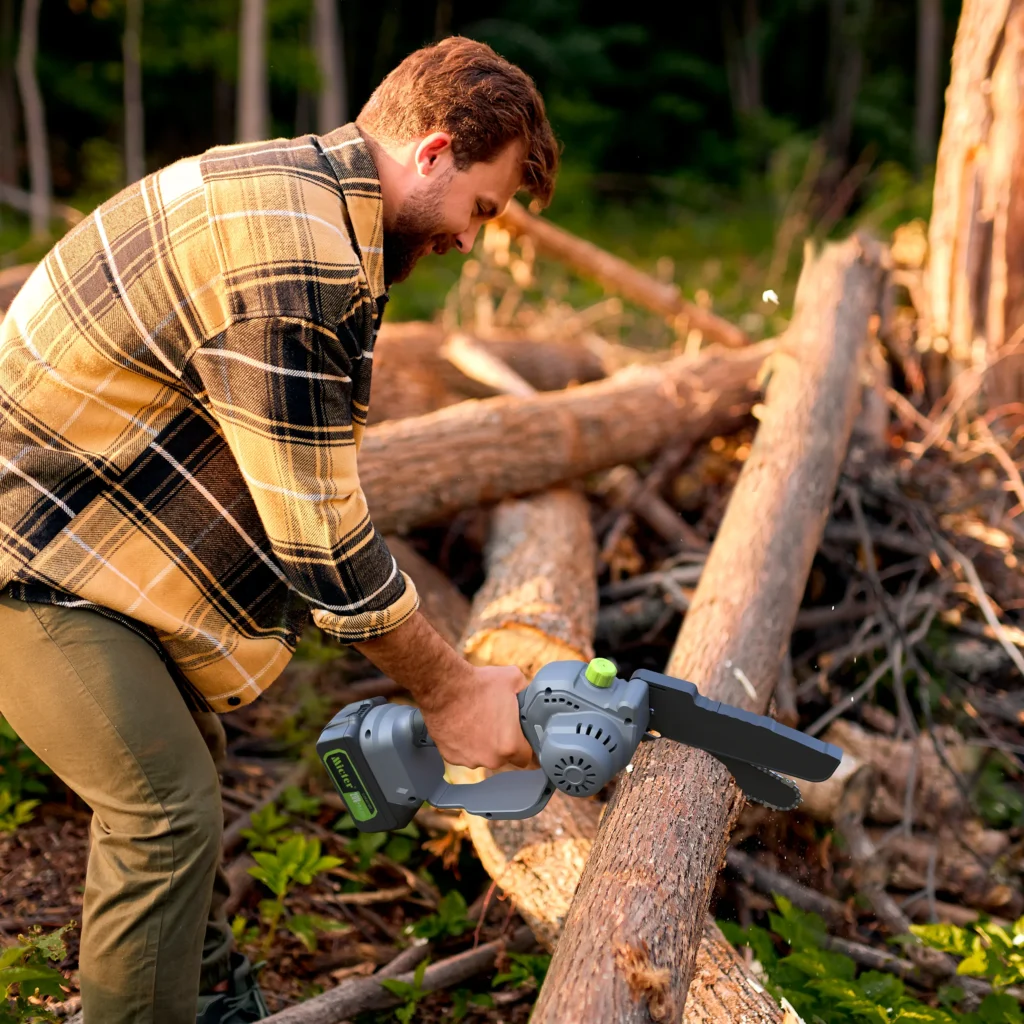
Best Mini Cordless Chainsaw (6–8 inch for One-Hand Use)
Mini cordless chainsaws are handy for quick tasks like small branch pruning and light wood cutting. Their compact size and low weight make them perfect for one-hand use around the garden or workshop. Great for portability and easy storage.
Remaining Top Picks – Quick Pros & Cons
- GreenWorks 40V 16-Inch: Good balance of price and features, but slightly heavier.
- DEWALT 20V MAX XR: Durable and powerful, pricier but built for pros.
- BLACK+DECKER 20V Max: Reliable budget option, shorter bar and battery life.
- EGO Power+ 56V 18-Inch: Excellent cutting speed and battery life, premium price.
- WORX WG322 40V: Lightweight and easy control, smaller bar length limits big cuts.
Each of these choices covers different needs. Whether you want cordless freedom, budget-friendly options, or corded reliability, there’s an electric chainsaw here for you.
Cordless vs. Corded Electric Chainsaws – Detailed Comparison 2025
When choosing between cordless and corded electric chainsaws, it boils down to your specific needs. Here\’s a quick, side-by-side look at their features to help you decide:
| Feature | Cordless Electric Chainsaw | Corded Electric Chainsaw |
|---|---|---|
| Power Source | Battery (usually 40V–60V) | Plug-in mains power |
| Runtime | Limited by battery life (20–60 mins) | Unlimited, as long as power is on |
| Portability | Highly portable; use anywhere | Limited by cord length and outlets |
| Weight | Generally lighter (6–12 lbs) | Slightly heavier, depends on model |
| Maintenance | Battery charging and motor upkeep | Minimal, no battery maintenance |
| Power | Often less powerful than corded | Consistent power output |
| Noise Level | Quieter operation | Also quiet but can vary |
| Ideal Use | Small to medium jobs, pruning, home use | Heavy-duty cutting, storm cleanup |
Battery Platform Compatibility & Future-Proofing
- Most cordless chainsaws use specific battery platforms tied to one brand (e.g., 60V MAX batteries).
- Investing in a chainsaw with a widely-used battery system means you can use the same batteries for other tools.
- Corded models don’t have this concern but rely entirely on power outlets.
When Corded Still Wins
- Heavy Storm Cleanup: Unlimited runtime lets you keep working non-stop.
- Professional Use: When cutting large volumes of wood daily, consistent power and no battery swapping is a must.
- Cost Efficiency: No need to buy replacement batteries or chargers, which makes corded chainsaws cheaper long-term.
In short, cordless chainsaws are ideal for ease and portability, perfect for most home users and light jobs. Corded electric chainsaws shine in power and endurance, ideal if you need all-day, heavy-duty cutting without stopping.
Key Features to Look for When Buying an Electric Chainsaw
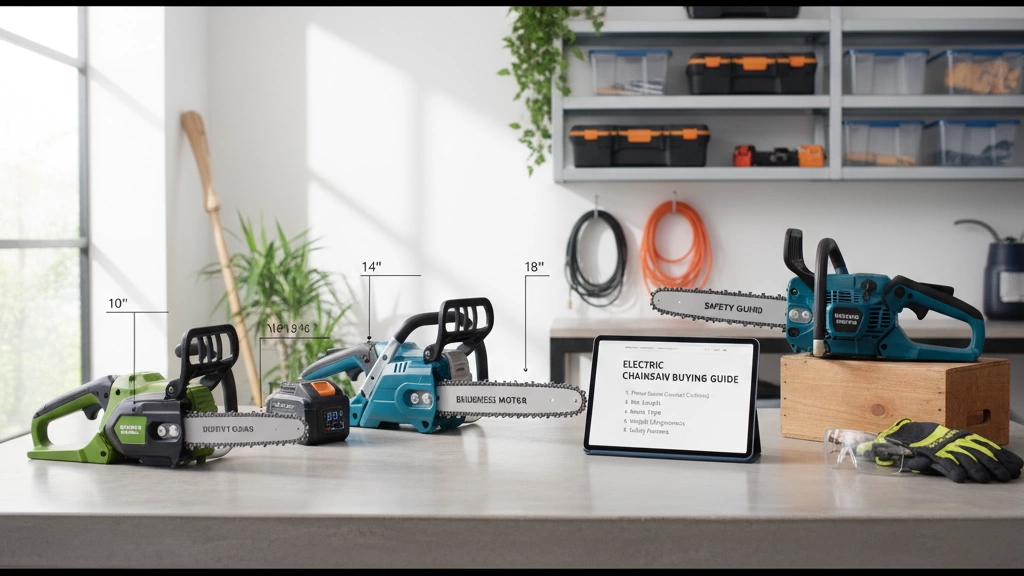
Choosing the right electric chainsaw means focusing on several must-have features. Here’s a quick guide to what matters most:
Brushless vs. Brushed Motor
- Brushless motors run cooler, last longer, and use battery power more efficiently.
- Brushed motors are cheaper but wear out faster.
If you want better performance and durability, go brushless.
Bar Length Guide (10″–20″)
| Task | Recommended Bar Length |
|---|---|
| Limb Trimming | 10″–12″ |
| Firewood Cutting | 14″–16″ |
| Felling Small Trees | 16″–18″ |
| Medium to Large Trees | 18″–20″ |
Choose bar length based on your typical jobs to make cutting easier and safer.
Chain Tensioning System
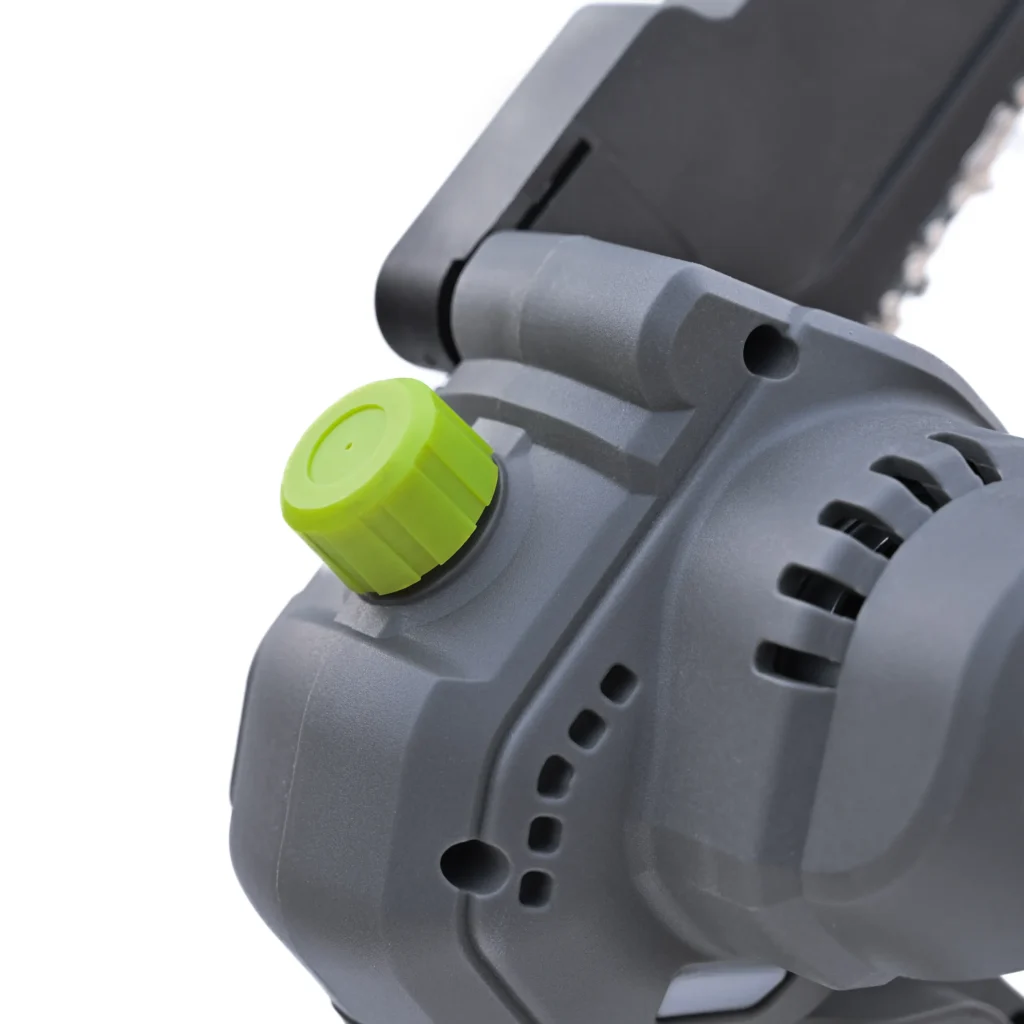
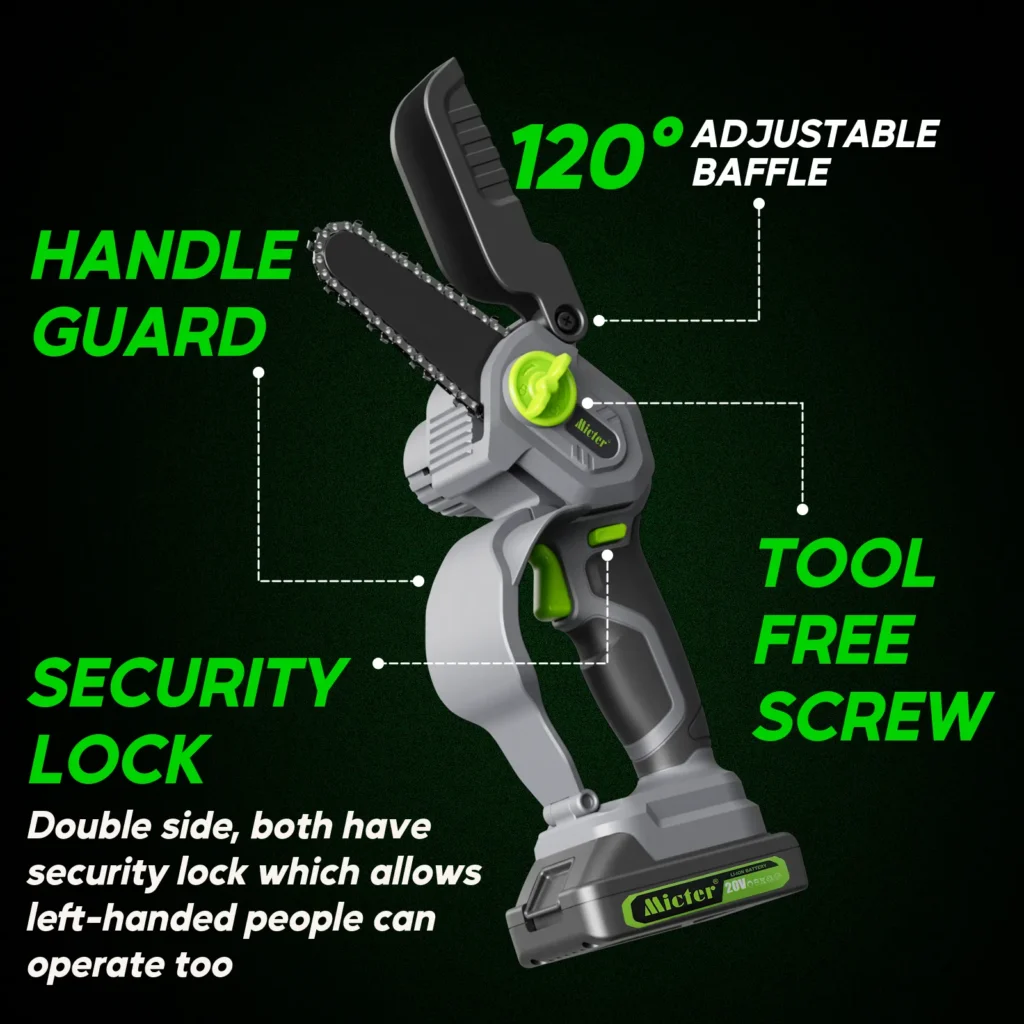
- Tool-less tensioning: Quick, no tools needed, great for frequent adjustments.
- Traditional tensioning: Requires a screwdriver or wrench, slower but usually more precise.
Tool-less systems are handy for casual users, while pros might prefer traditional for fine tuning.
Safety Features
Look for chainsaws with:
- Chain brake to stop the chain instantly if kickback happens.
- Low kickback chains designed to reduce sudden jerks.
- Hand guard to protect against debris and accidental hand slips.
Safety should never be an afterthought.
Oil System
- Automatic oilers keep the chain lubricated without manual effort.
- Manual oiling requires you to refill and maintain the oil level yourself.
Automatic oilers save time and reduce wear on your chainsaw.
Ergonomics and Vibration Dampening
Comfort matters if you’re working longer periods. Look for:
- Cushioned handles for better grip.
- Vibration-dampening systems that reduce hand fatigue.
Ergonomic design makes a huge difference in ease of use and safety.
By prioritizing these key features, you’ll find an electric chainsaw that feels right, performs well, and stays safe for years to come.
How to Choose the Right Bar Length & Power for Your Needs
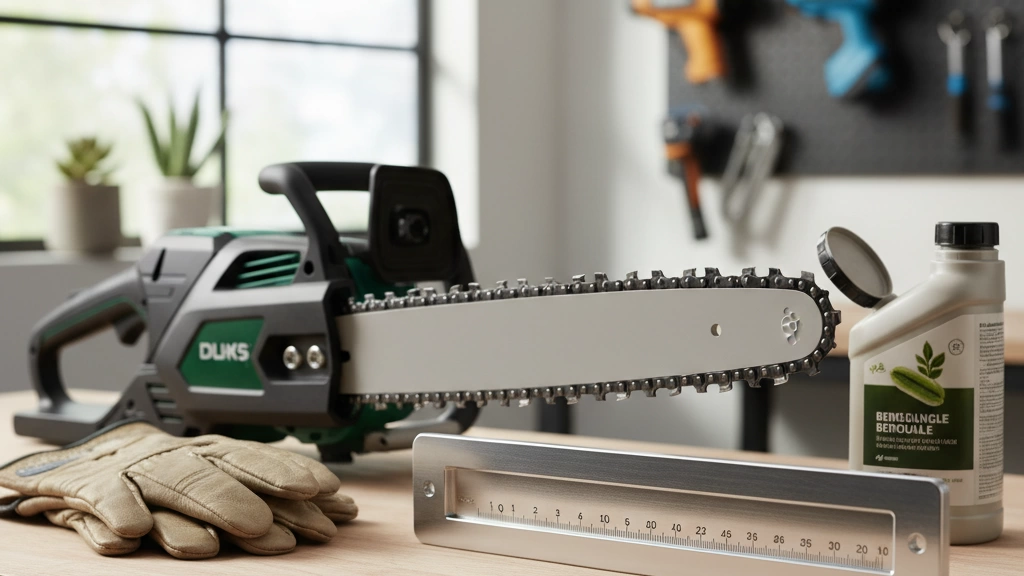
Picking the right bar length and power for your electric chainsaw depends on what you’ll be cutting. Using the wrong size means extra effort or even safety risks. Here’s a quick guide to help you match bar length to common tasks:
| Job | Recommended Bar Length | Power Level Needed |
|---|---|---|
| Limb trimming | 6″ – 10″ | Low to medium (lightweight) |
| Firewood cutting | 12″ – 16″ | Medium (balanced power) |
| Felling small trees | 14″ – 16″ | Medium to high |
| Felling medium trees | 16″ – 18″ | High (more powerful motor) |
| Heavy-duty or large trees | 18″ – 20″ | Maximum power (professional) |
Key Tips:
- Short bars (6″–10″): Great for precision work like trimming branches or small tree pruning. Easier to handle and lighter weight.
- Mid-length bars (12″–16″): Perfect for most home users cutting firewood or small trees.
- Long bars (18″–20″): Ideal if you regularly fell medium to large trees or need professional-level power.
Remember, more power often means more weight and noise, so balance your needs with comfort. If you mainly prune or trim around the yard, a lightweight chainsaw with a small bar and moderate power will be easier and safer to use.
Make sure the bar length matches your power preference and cutting habits for the smoothest, safest experience with your electric chainsaw.
Electric Chainsaw Safety Guide – Avoid Common Injuries
Using an electric chainsaw safely is crucial to avoid accidents. Here’s a quick guide to keep you and those around you protected.
PPE Checklist
Always gear up with:
- Safety glasses or goggles to protect your eyes from chips and debris
- Hearing protection, especially with louder corded chainsaws
- Cut-resistant gloves to keep your hands safe
- Long pants and sturdy boots for overall protection
- Helmet with face shield if you’re working with larger trees or branches
Kickback Prevention
Kickback happens when the tip of the chainsaw bar hits an object and suddenly jerks back. To prevent it:
- Avoid cutting with the bar tip
- Keep a firm two-handed grip on the handles
- Use a chainsaw with a low kickback chain and chain brake
- Stay alert and avoid rushing your cuts
Proper Starting and Holding Technique
- Start the chainsaw on flat ground or a stable surface, never in mid-air or while holding it
- Hold the front handle with your left hand and rear handle with your right (even if you’re left-handed) for better control
- Stand to the left side of the cutting path to avoid injury if the saw kicks back
- Keep your body balanced and your feet clear of the cutting line
Storage and Child Safety
- Always unplug corded chainsaws or remove the battery in cordless models before storing
- Store chainsaws in a locked cabinet or out of children’s reach
- Use bar covers to protect the chain and prevent accidents
- Check your chainsaw regularly for any damage before use
Keeping these safety tips in mind will help you get the job done confidently and reduce incidents. Stay safe!
Maintenance & Care – Make Your Electric Chainsaw Last 10+ Years
Taking care of your electric chainsaw is key to keeping it running smoothly for years. Here’s what you need to know:
Chain Care
- Keep it sharp: A dull chain slows cutting and stresses the motor. Use a chainsaw file regularly or get it sharpened professionally.
- Proper tension: Check chain tension before each use. It should be snug but still able to move freely without sagging.
- Lubrication: Always top up the chain oil reservoir. A well-lubricated chain reduces wear and prevents overheating.
Battery and Motor Maintenance
- Battery care: For cordless chainsaws, charge batteries fully before storing. Avoid leaving them completely drained or sitting on charge too long.
- Clean contacts: Keep battery terminals and motor contacts clean and dry to maintain good connections.
- Cool down: After heavy use, let your chainsaw rest to avoid motor overheating.
Common Troubleshooting Tips
- Chainsaw won’t start: Check the power source (battery charged or cord plugged). Make sure the safety switch isn’t activated.
- Chain not moving: Inspect chain brake and tension, and ensure the oil system works properly.
- Unusual noise or vibrations: Could be a loose chain, damaged bar, or worn motor parts—stop and check immediately.
Seasonal Storage Advice
- Remove battery: Take batteries out before long-term storage to prevent damage.
- Clean thoroughly: Remove sawdust, sap, and oil build-up to avoid corrosion.
- Dry place: Store your chainsaw in a dry, cool spot away from moisture and direct sunlight.
By keeping up with these simple maintenance tips, your electric chainsaw will stay in top shape and serve you well for over a decade.
Price and Value for Money – Find Your Perfect Electric Chainsaw
When shopping for an electric chainsaw, price often decides what you get. Here’s a quick look at budget ranges and what you can expect:
Budget Ranges Overview
- Under $150: Basic cordless or corded models, great for light tasks like pruning and occasional firewood cutting. Limited power and shorter bar length.
- $150–$300: Mid-range electric chainsaws with better battery life, brushless motors, and bar lengths between 14″ and 18″. Good for regular home use.
- $300 and up: Premium models with powerful brushless motors, longer bars (up to 20″), automatic oiling, and advanced safety features. Ideal for frequent or professional use.
Value vs. Premium Features
- Value models often sacrifice runtime and power for affordability. They work fine for small jobs but may struggle with thick branches or heavy felling.
- Premium chainsaws come with longer-lasting batteries, smoother chain tensioning, and enhanced durability—perfect if you need a reliable tool that lasts years.
Where to Buy
- Online stores offer a wide selection, competitive prices, and detailed user reviews to help you make an informed choice.
- Local stores give you a chance to hold the saw before buying, ask experts questions, and often get immediate support or service if needed.
Choosing the right electric chainsaw means balancing your budget with the features and power you actually need. Don’t overspend on extras if you just want a simple tool, but don’t skimp too much if you want performance and longevity.
Pros and Cons of Electric Chainsaws vs. Gas Models
When choosing between an electric chainsaw and a gas model, it’s important to understand what each brings to the table.
Electric Chainsaws: Pros
- Quiet operation: Electric chainsaws are much quieter, making them great for residential areas or noise-sensitive environments.
- Zero emissions: Running on electricity means no fumes, which is better for your health and the environment.
- Lower maintenance: No gas mixing, spark plugs, or carburetor issues. Just charge or plug in, oil the chain, and you’re good.
- Lightweight and easy to handle: Especially cordless models, perfect for light to medium tasks and pruning.
Electric Chainsaws: Cons
- Limited power: Generally less powerful than gas chainsaws, which can struggle with large trees or very tough wood.
- Runtime restrictions: Battery-powered chainsaws run out after 30–60 minutes. Corded chainsaws avoid this but limit mobility.
- Battery life and recharge time: Cordless chainsaws need downtime to recharge or spare batteries.
Gas Chainsaws: Pros
- High power: Best for heavy-duty jobs like felling large trees or cutting thick firewood.
- Unlimited runtime: As long as you have fuel, you can keep going all day. Great for professional use or big projects.
- Rugged and versatile: Handle rough conditions well and often have better cutting speeds.
Gas Chainsaws: Cons
- Loud and smelly: Gas engines are noisy and emit exhaust fumes. Not ideal for frequent use in suburban areas.
- High maintenance: Requires regular tuning, fuel mixing, and cleaning. More things to go wrong.
- Heavier and harder to start: More physically demanding, especially for beginners or casual users.
Ideal Use Cases
| Type | Best For | Avoid If |
|---|---|---|
| Electric Chainsaw | Home use, tree pruning, light to medium cutting | Large trees, extended heavy use |
| Gas Chainsaw | Professional logging, large firewood cutting, storm cleanup | Noise-sensitive areas, casual users |
In short, electric chainsaws suit daily homeowners and light work with low fuss, while gas models remain king for power and long jobs. Knowing your projects will help you pick the right tool.